How Many Amps Does an RV Use? Appliance by Appliance
An RV can use anywhere from a few amps to nearly all the power its hookup allows. The air conditioner, microwave, water heater, and other electric appliances draw from the same limited supply, so the total depends on what runs at once.
On this page (8 sections)
- How many amps does an RV use at a hookup?
- How many amps do common RV appliances use?
- Which appliances are most likely to use power together?
- How do you estimate your RV's total amp use?
- What changes when you plug a 30 amp RV into a 50 amp pedestal?
- How can you avoid overloading an RV hookup?
- What should you check before choosing what to run?
- How many amps does an RV use by appliance?
An RV can use a few amps or nearly all the power its hookup allows, depending on which appliances are running. Air conditioning, cooking, water heating, and battery charging all add to the same limited supply.
A 30 amp hookup provides less total power than a 50 amp hookup, but neither number tells you what one appliance uses. Check the RV's labels or manuals, then think about which loads might run at the same time.
How many amps does an RV use at a hookup?
A 30 amp hookup allows up to 30 amps on its single 120 volt supply. A standard 50 amp RV hookup has two 120 volt legs, each able to supply up to 50 amps when correctly wired.
That means a 50 amp RV connection can provide up to 100 amps across both legs, but the power is split between them. The RV's electrical panel and how its circuits are arranged determine which appliances share each leg.
The numbers are maximums, not a guarantee that every campground pedestal can deliver them safely. Check the pedestal and your RV's power requirements before connecting.
The difference between those connections affects which appliances you can use together. Our guide to 30 amp vs 50 amp RV service explains how the two hookups differ.
How many amps do common RV appliances use?
Use the appliance label or manual for the actual amperage. Draw varies by make, model, voltage, and operating conditions, so a general chart can only help you identify which loads to check.
| Appliance | What to check |
|---|---|
| Roof air conditioner | Running draw and startup demand |
| Microwave | Input amperage or watts, not just cooking output |
| Electric water heater | Whether it is set to electric or propane |
| Refrigerator | Whether it is cooling on electric or propane |
| Converter or charger | Charging demand and battery state |
| Hair dryer or space heater | Rated load and expected run time |
| Television and small electronics | Label or power adapter rating |
A watt rating can help you estimate current on a 120 volt circuit: divide watts by 120 to get approximate amps. For example, a 1,200 watt appliance draws about 10 amps at 120 volts under that simple estimate.
That calculation is a planning aid, not a substitute for the appliance label. Some devices draw more during startup, and voltage changes can affect current.
How many amps does an RV AC use?
An RV air conditioner can draw more power when its compressor starts than it does while running. The exact amount depends on the unit and conditions, so check the nameplate or manual for its operating requirements.
That startup surge can matter on a 30 amp hookup, especially if another high-draw appliance is already running. If the breaker trips when the AC starts, turn off other loads and check the RV's electrical instructions before trying again.
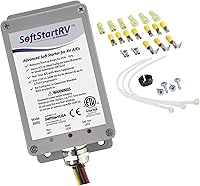
A soft start is designed to reduce the air conditioner's startup demand. The SoftStartRV Soft Start for RV Air Conditioner guide explains what this device does and what to consider before choosing one.
Which appliances are most likely to use power together?
The main issue is overlapping loads, especially when the AC, microwave, water heater, or a portable heater run at once. One appliance may fit within the hookup by itself, while several together can push a circuit past its limit.
Check whether the water heater is using electricity or propane. The same applies to a refrigerator with multiple energy modes; using propane can reduce electrical demand if the appliance supports it and its manual allows that setup.
Before using a microwave or hair dryer, consider whether the AC compressor or another large load is running. On a 30 amp hookup, switching off one high-draw appliance before starting another can help avoid an overload.
Don't rely on a fixed appliance chart to predict every trip. Measure or monitor the actual load, and consult your RV manual for circuit limits and appliance guidance.
How do you estimate your RV's total amp use?
Add the amperage of appliances that may run at the same time, then compare that total with the available supply. Start with the labels or manuals for high-draw appliances and leave room for startup demand.
For an appliance rated in watts, divide its wattage by 120 for a rough amp estimate on a typical 120 volt circuit. For example, 1,500 watts divided by 120 is about 12.5 amps.
Use that estimate cautiously. The appliance's actual draw can differ from its rated or maximum value, and devices with motors or compressors may draw more briefly at startup.
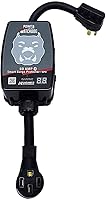
A monitor can show current use while the RV is connected. The Power Watchdog PWD30 (30 Amp, Bluetooth) is a 30 amp portable surge protector with Bluetooth monitoring for voltage, amperage, and wattage through its app.
What changes when you plug a 30 amp RV into a 50 amp pedestal?
A 30 amp RV connected to a 50 amp pedestal still has a 30 amp limit at the RV. The adapter changes the plug connection; it does not upgrade the RV's wiring or allow the RV to draw 50 amps.
Use an adapter made for the connection and follow the RV and adapter instructions. Check that the campground provides the outlet type your adapter needs, and inspect cords and plugs for damage before connecting.
The Manshan 50 to 30 Amp RV Adapter converts a 50 amp NEMA 14-50 pedestal connection to a 30 amp TT-30 RV connection.
An adapter does not protect against incorrect wiring or unsafe pedestal power. Check the pedestal before use, and consider an RV surge protector or electrical management system suited to your hookup.
How can you avoid overloading an RV hookup?
Keep the combined load below the hookup and circuit limits, and avoid starting several high-draw appliances together. If a breaker trips, switch off loads before resetting it and look for the cause.
Use these habits to manage power:
- Run one major heating or cooking appliance at a time when capacity is tight.
- Check whether the water heater and refrigerator can use propane.
- Turn off the AC before starting another large appliance if the circuit is near its limit.
- Use only cords and adapters rated for the connection, and inspect them for damage.
- Follow the RV manual and campground instructions.
A breaker that trips repeatedly may point to a load problem, wiring issue, or faulty equipment. Don't keep resetting it without finding the cause.
For cord selection, see what size extension cord a 30 amp RV needs. A cord's rating and condition matter when power has to travel from the pedestal to the RV.
What should you check before choosing what to run?
Check the hookup rating, each appliance's electrical requirements, and the loads already running. On a 30 amp connection, start with the AC and other large appliances, then add smaller loads only if capacity allows.
Use an adapter only to connect compatible outlets, not to increase your RV's available amperage. If you need to monitor the load, a 30 amp device with live amperage readings can help you see what is happening as appliances switch on.
Choose a soft start if your AC's startup demand is the main issue and the unit is compatible. Choose an adapter when the pedestal offers a 50 amp outlet but your RV uses a 30 amp connection.
How many amps does an RV use by appliance?
There is no single amp number for every RV. Use the appliance labels or manuals to estimate the loads that can run together, then stay within the hookup and circuit limits.
If you mainly need to manage air conditioner startup, read about RV AC soft starts. For the hookup difference, start with 30 amp and 50 amp RV service, and check your cord before connecting to a pedestal.
Frequently asked questions
How many amps does an RV air conditioner use?
An RV air conditioner's draw depends on its model, operating conditions, and whether you mean its running or startup demand. Check the unit label or manual for its electrical requirements.
Startup can briefly draw more than steady operation, so leave room for other appliances on the same hookup.
Can I run an RV air conditioner and microwave at the same time?
Maybe, but it depends on the appliances' actual draws and your hookup's limit. Check their labels or manuals, then add the loads that may run together.
If the combined demand is near the available supply, switch off one appliance before starting the other.
Does a 50 amp RV hookup provide 50 amps total?
A standard 50 amp RV connection has two 120 volt legs, so it can provide up to 50 amps on each leg when correctly wired. The RV's panel and appliance circuits still matter, and loads on one leg can reach that leg's limit before the other.
How can I tell how many amps my RV is using?
Check an electrical monitor or a compatible energy management device for live amperage, and compare the reading with the hookup's capacity. An appliance label gives its rated draw, but actual use can vary.
Add simultaneous loads when planning what to run.