What Does Reverse Polarity Mean on a Surge Protector?
Reverse polarity means the pedestal's hot and neutral wires are swapped. The surge protector blocks power to keep live current off the parts of your RV that should be neutral, so you should not plug in until the wiring is fixed.
On this page (10 sections)
- What does reverse polarity mean on an RV surge protector?
- Why is reverse polarity dangerous inside an RV?
- How does an RV surge protector detect reversed hot and neutral?
- What does the warning look like on a protector?
- What should you do when the protector says reverse polarity?
- Can you still use the RV if the warning appears?
- How is reverse polarity different from an open ground or open neutral?
- Which protector should you buy for wiring checks?
- What causes a pedestal to be wired backward?
- Quick recap: what to do when your protector flags reversed polarity
If your RV surge protector says reverse polarity, the campground outlet has its hot and neutral wires crossed. The protector sees live current where neutral should be and holds power back so your RV wiring stays safe.
Don't plug in until the pedestal is fixed or you move to a clean site.
That warning is your first line of defense. A pedestal fault can travel through the cord and into outlets, appliances and metal surfaces inside the coach.
The protector catches it before any of that happens.
What does reverse polarity mean on an RV surge protector?
The outlet's hot and neutral wires are swapped. In normal wiring, the hot slot carries current to your RV and the neutral returns it.
With reversed polarity, current enters through the neutral side and leaves through the hot.
Your RV's internal wiring is built around the normal arrangement. Swapping it puts live voltage on parts that are meant to stay quiet, including the neutral bus and the metal shells of some appliances.
A full protector spots the swap and refuses to pass power. That is the warning you see.
The fix belongs at the pedestal, not inside the coach. The outlet needs to be shut off and rewired by someone qualified before anything plugs into it.
Why is reverse polarity dangerous inside an RV?
It puts live voltage where it shouldn't be. With the neutral wire carrying current, a loose neutral or a faulty appliance can energize a metal chassis.
Touching the frame or a plugged-in appliance could then give you a shock.
The risk grows with age. Older RVs and cords with worn insulation handle reversed current worse than newer rigs.
The fault may sit quietly and show up only when something goes wrong. A protector that blocks power removes that gamble.
The danger is easy to miss because nothing looks wrong at the outlet. The box is closed, the breaker is on and the cord fits.
Only the protector's reading tells you the order is wrong.
How does an RV surge protector detect reversed hot and neutral?
It compares the incoming lines against the expected wiring layout. The protector reads which slot is hot, which is neutral and whether the ground is present before it closes its internal circuit.
If hot and neutral are backward, it keeps the connection open.
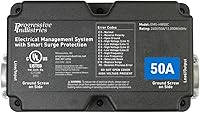
Full electrical management systems do this check at every hookup. The Progressive Industries EMS-PT30X checks for over and under voltage, open ground and neutral, reverse polarity, a miswired pedestal, accidental 240 V and AC frequency issues.
That wider net is why a full EMS is the safer buy for this kind of fault. Our guide to what does an rv surge protector do walks through each check in more detail.
A plain surge strip without polarity sensing can let reversed current through. That is the gap between basic surge absorption and a real electrical management system.
What does the warning look like on a protector?
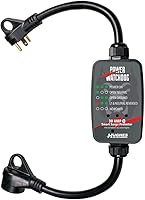
The display or indicator lights name the fault, and power stays off. On a full EMS like the EMS-PT30X, a clear screen shows error codes and electrical status.
Simpler smart units use colored LED indicators.
The key point is the behavior, not the exact light. When polarity is reversed, the unit won't let current through.
If your rig powers up normally while the warning shows, treat that as a reason to stop and check the outlet.
Which protectors show a reverse polarity warning?
The three models below all detect reversed hot and neutral, and each adds a different level of detail. They fit 30 amp systems and 120 V service.
The EMS-PT30X is rated for 30 amps and 120 V with 3,600 W and absorbs surges up to 1,790 joules. Its screen stays readable in low light, and its weather shield and Lexan housing are built for outdoor pedestals.
The built-in locking bracket helps keep the unit from walking off at a busy campground. The maximum current spike rating is 44,000 amps.
The SSP-30XL is also rated for 30 amps and 120 V with 3,600 W and takes surges up to 825 joules. Its maximum spike rating is 22,500 amps.
Three-color LEDs show the status at a glance, which helps when you hook up after dark. It carries the same weather shield and Lexan housing as its larger sibling.
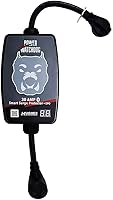
The Southwire Surge Guard is rated for 30 amps and 2,100 joules. Its enhanced diagnostics point at bad park power before it reaches your RV.
The Easy-T-Pull handle and anti-theft lock ring suit frequent hookups. Southwire lists it as a fit for pop-ups and travel trailers, and its thicker receptacle brass is meant to reduce heat at the connection.
What should you do when the protector says reverse polarity?
Stop, leave the cord unplugged, and find another outlet. Don't try to power through the warning or use an adapter to force a connection.
Reversed wiring doesn't fix itself, and a bypass defeats the whole point of the protector.
Then report the fault. Tell the campground office or host which site and which pedestal is affected so they can shut it off.
An electrician or maintenance person should correct the outlet. If no clean site is available, move on rather than risk it.
Can you still use the RV if the warning appears?
Only on a different, clean pedestal. Once you plug into a correct outlet and the protector shows no fault, power flows normally.
That confirms the problem was the first outlet, not your rig.
If the warning follows you to several pedestals, look at your own shore power cord and inlet for damage. A damaged cord or a miswired inlet can also trigger the fault.
Have a qualified tech inspect the coach wiring before you hook up again.
How is reverse polarity different from an open ground or open neutral?
Each fault points to a different wire problem. Reverse polarity swaps hot and neutral.
An open ground means the safety ground path is missing.
An open neutral means the return path is broken. A full protector checks all three.
These faults often appear together on old or poorly maintained pedestals. An outlet with a swapped hot and neutral and no ground gives you two reasons to avoid it.
Our explainer on what does open ground mean on a surge protector covers the ground fault in detail.
The practical test is the same for all three. Plug in the protector first, read what it reports and only connect the coach when the reading is clean.
A protector that lists ground and neutral checks alongside polarity covers the full set at one pedestal.
Which protector should you buy for wiring checks?
A full EMS is the best pick for catching reversed wiring and other pedestal faults. The EMS-PT30X checks polarity, ground, neutral, voltage swings, accidental 240 V and frequency, so one unit covers the checks that matter most at a campground.
Its screen also spells out which fault tripped, which makes it easier to tell the office what is wrong with the site.
The SSP-30XL is a lower-cost smart protector with LED warnings for the same core faults. It absorbs less surge energy than the EMS-PT30X and uses lights rather than a screen.
Choose it if you want a simple light-based check and a smaller budget.
The Southwire Surge Guard adds enhanced diagnostics and a 2,100-joule rating. It suits readers who want a clear read on bad park power without the full management screen.
A portable unit works for most campers. If you want the protector mounted and always in the circuit, compare a hardwired rv surge protector and skip the plug-and-lock routine.
For a wider look at portable options, our guide to the best rv ems surge protector ranks the top units by fault coverage.
What causes a pedestal to be wired backward?
A mistake during installation or repair. Reversed hot and neutral usually comes from an outlet wired by someone who didn't follow the standard color and slot layout.
Old campgrounds with decades of patchwork repairs see it more often.
Weather and wear add to the problem. Corroded contacts, loose screws and cracked faceplates can all hide a wiring error.
A visual check tells you little; only a protector or a meter confirms the wiring order. That is why the warning matters more than the look of the box.
Quick recap: what to do when your protector flags reversed polarity
Treat the warning as a stop sign. The rv surge protector says reverse polarity because the pedestal's hot and neutral are swapped.
Leave your cord unplugged, report the outlet and move to a clean site.
The EMS-PT30X is the strongest choice for full fault checks. The SSP-30XL covers the core warnings for less.
The Southwire Surge Guard gives you enhanced diagnostics at a 2,100-joule rating. Any of the three will keep reversed current off your coach while you find a safe hookup.
Frequently asked questions
Can I plug in anyway if only the polarity light is on?
No. Reverse polarity sends live current through the neutral wire and metal parts that should stay safe.
Use a different pedestal or wait for an electrician to correct the outlet.
Is reverse polarity the same as an open ground?
No. Reverse polarity swaps hot and neutral, while an open ground means the safety ground connection is missing.
Both are wiring faults a full EMS catches, but each points to a different problem at the pedestal.
Will a basic surge protector catch reverse polarity?
Only if it includes polarity detection. A plain surge strip may not.
A full EMS or smart surge protector like the EMS-PT30X checks polarity, ground and neutral before power flows to your RV.
Who fixes a reverse polarity pedestal?
The campground or an electrician. Report the fault to the office and ask them to shut off and repair the outlet.
Don't open the pedestal yourself or try to rewire it.
What should I do if my protector won't let power through?
Check the error code first. If it reads reverse polarity, try a different pedestal.
If the new site powers up cleanly, the fault was at the first outlet and your protector did its job.