What Does an RV Surge Protector Actually Do?
An RV surge protector checks incoming campground power and helps shield your RV from electrical surges. An EMS model can also detect wiring faults and unsafe voltage before power reaches your coach.
On this page (8 sections)
- What does an RV surge protector do?
- How does an RV surge protector work?
- What can an RV surge protector protect against?
- What does an EMS do that a basic surge protector may not?
- How do you use an RV surge protector at a campground?
- Should you choose a portable or hardwired model?
- What should you check before buying one?
- What does an RV surge protector actually do for you?
An RV surge protector checks incoming campground power and helps shield your RV from electrical surges. An EMS model can also detect wiring faults and unsafe voltage before power reaches your coach.
That distinction matters: “surge protector” can describe devices with different levels of protection. A basic model may focus on voltage spikes, while an electrical management system (EMS) can check for additional problems such as open ground, reverse polarity, or voltage outside a safe range.
What does an RV surge protector do?
An RV surge protector sits between the campground pedestal and your RV, where it can detect certain electrical problems before power enters the coach. At a minimum, surge protection helps guard connected equipment from sudden voltage spikes.
A spike can happen when power changes abruptly. The protector is designed to absorb or divert some surge energy, but it isn't a promise that every electrical problem will be prevented or that every appliance will be safe under all conditions.
The device also gives you a check at the hookup. Depending on its features, it may show whether the pedestal wiring is faulty or the voltage is outside its acceptable range.
If you need help interpreting one alert, see what open ground means on an RV surge protector.
The Southwire Surge Guard 30 Amp Portable is listed at 2,100 joules and includes enhanced diagnostics. Southwire also describes an Easy-T-Pull handle and an anti-theft lock ring on the cord.
How does an RV surge protector work?
An RV surge protector monitors the power path from the pedestal to the RV. It checks for the conditions its design supports, then either allows power through or indicates a problem.
A basic surge device may provide surge protection without checking as many faults. An EMS adds checks such as overvoltage, undervoltage, or wiring errors, depending on the model.
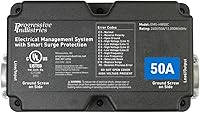
The Progressive Industries EMS-PT30X, for example, is described as detecting open ground and neutral, reverse polarity, miswired pedestals, accidental 240 V, surge failure, and AC frequency issues.
The EMS-PT30X is rated for 30 A, 120 V, and 3,600 W, with 1,790 joules of surge protection. Its built-in display shows electrical status and error codes.
Follow the model's instructions for connecting it and reading its indicators. If it reports a fault, don't assume the pedestal is safe just because the RV lights or appliances still work.
What can an RV surge protector protect against?
Surge protection helps address sudden voltage spikes, while an EMS model may also guard against certain wiring and voltage problems. The specific fault list varies by device, so match its capabilities to the risks you want it to detect.
Can it protect against low or high voltage?
Some EMS models detect both low and high voltage and stop power from reaching the RV when readings fall outside their limits. This matters because appliances can be affected by voltage that stays too low or too high, even without a sudden surge.
The Progressive Industries EMS-PT30X includes overvoltage and undervoltage protection. Check your chosen model's instructions to learn what it detects and how it responds.
Can it detect wiring problems?
Some models identify problems such as open ground, open neutral, reverse polarity, or a miswired pedestal. Those checks can help you avoid connecting your RV to a faulty outlet.
Detection isn't the same as repair. If an alert points to a pedestal issue, keep the RV disconnected and contact campground staff.
Can it protect every RV appliance?
A surge protector helps protect the electrical system connected through it, but no device guarantees that every appliance will avoid damage. It also can't stop problems that occur elsewhere in the RV or through another connection.
Check that the protector's amperage matches your RV service and that its features suit your setup. Our guide to how many amps an RV uses explains common service levels and appliance loads.
What does an EMS do that a basic surge protector may not?
An EMS can check for additional unsafe power conditions and block power when it detects a supported fault. That can include voltage and wiring checks beyond surge protection alone.
The difference is the range of problems monitored. Don't assume every device sold as an RV surge protector includes full EMS features; compare its fault detection list with the problems you want it to catch.
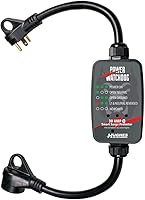
The Power Watchdog PWD30 provides 3,000 joules of surge protection, LED park power diagnostics, and wireless fault alerts. Its Bluetooth connection can show voltage, amperage, and wattage on a smartphone through the mobile app.
Choose Bluetooth monitoring if you want to view power readings on your phone. If you mainly want a clear display and fault checks, compare those features with an EMS such as the Progressive Industries model.
For a closer look at device types and tradeoffs, read what RV surge protector you need.
How do you use an RV surge protector at a campground?
Connect the protector at the pedestal before connecting your RV, following the manufacturer's instructions. Check its display or indicators and leave the RV unplugged if it reports an unsafe condition.
A typical hookup sequence is:
- Turn off the pedestal breaker.
- Connect the protector to the outlet that matches your RV service.
- Turn on the breaker if the device instructions call for it.
- Wait for its checks to finish and read any alerts.
- Connect the RV only when the device indicates power is acceptable.
The exact sequence can vary, so use the instructions for your device. Keep plugs and connections dry, and don't force a connector that doesn't fit.
If a protector trips or blocks power, first note the displayed fault. The guide to why an RV surge protector keeps tripping explains common causes and what to check next.
Should you choose a portable or hardwired model?
A portable protector plugs into the pedestal and is easy to move between RVs or hookups. A hardwired unit stays installed in the RV, so it can be convenient if you want protection built into the coach.
Your choice depends on how you use the RV and whether you prefer a removable device or a permanent installation. See hardwired versus portable RV surge protectors for the main tradeoffs.
What should you check before buying one?
Match the protector to your RV's electrical service and the faults you want it to detect. Confirm the amperage, whether it offers EMS features, how it displays alerts, and whether its connection style works with your setup.
If your RV uses 30 amp service, a 30 amp model such as the Southwire Surge Guard, Progressive Industries EMS-PT30X, or Power Watchdog PWD30 may fit that service. Compare the protection and diagnostics each one provides, rather than choosing by joule rating alone.
A higher joule rating describes surge capacity, but it doesn't tell you whether the device checks for low voltage, reverse polarity, or open ground. For those checks, look at the specific fault detection features.
What does an RV surge protector actually do for you?
An RV surge protector checks campground power and helps protect the RV from voltage spikes. If you also want detection for wiring faults and unsafe voltage, choose an EMS model whose fault list covers those conditions.
Pick a basic surge model if surge protection and a simple hookup check meet your needs. Pick an EMS with the right diagnostics if you want it to catch more electrical problems before power reaches the coach, and use what RV surge protector you need to compare the options.
Frequently asked questions
What does an RV surge protector do?
An RV surge protector sits between campground power and your RV, helping protect electrical equipment from sudden voltage spikes. Models with electrical management features can also check for unsafe voltage and wiring faults, then stop power from reaching the RV when they detect a problem.
Does an RV surge protector protect against low voltage?
A basic surge protector may only address voltage spikes. An EMS model can also detect voltage that is too low or too high and block power, depending on its features.
Check the device's fault list and your RV's electrical needs before choosing.
Should I plug in an RV surge protector before the RV?
Yes, connect the protector to the campground pedestal first, then connect the RV after the protector indicates the power is acceptable. Follow the device instructions for its checks and connection order, and don't connect the RV if it reports a fault.
Can an RV surge protector fix bad campground wiring?
No. It can identify some wiring problems and keep power from reaching your RV, but it doesn't repair the pedestal.
If it reports a fault, leave the RV disconnected and ask campground staff to check the outlet or move you to a safe connection.