Why Does My RV Surge Protector Keep Tripping?
An RV surge protector usually trips or shuts off because it detects unsafe campground power, such as low or high voltage, a wiring fault, or a surge. Read its display or fault alert, reduce your RV's electrical load, and don't bypass a warning.
On this page (9 sections)
- What makes an RV surge protector trip?
- What should you do when it trips?
- Could the campground pedestal be the problem?
- Can your RV's electrical load cause a shutdown?
- Could a cord, adapter, or connection be at fault?
- How do you tell a fault from a worn protector?
- Which RV surge protectors can help you understand a fault?
- When should you get professional help?
- What should you do if your RV surge protector keeps tripping?
An RV surge protector usually trips or shuts off because it detects unsafe campground power, such as low or high voltage, a wiring fault, or a surge. Read its display or fault alert, reduce your RV's electrical load, and don't bypass a warning.
The exact cause depends on what the protector reports. A shutdown is a warning to investigate the power source and connections before restoring power.
What makes an RV surge protector trip?
An RV surge protector may shut off power when its monitoring detects a wiring problem, voltage outside its safe range, or a surge. Some electronic management systems also detect additional faults, such as reverse polarity or an open ground.
The protector's display, lights, or app alert can help identify the condition it found. Check the manual for the meaning of the specific code or indicator, since signals differ between models.
A trip doesn't prove the pedestal is the only problem. The RV cord, adapter, protector, or a high electrical load can also contribute to an interruption.
What should you do when it trips?
Stop using power and read the fault indicator before resetting anything. Turn off air conditioning and other major appliances, then follow the instructions for your protector and RV.
If the unit reports a pedestal wiring fault or unsafe voltage, leave the RV disconnected. Don't use an adapter or extension cord to get around the warning, and don't repeatedly reset the unit without identifying the cause.
If you see melted plastic, scorching, a loose plug, sparks, or a hot cord, stay clear and get help from campground staff or a qualified RV technician. Don't touch wet or damaged electrical parts.
Could the campground pedestal be the problem?
Yes, the pedestal may have low or high voltage, a wiring fault, or a damaged connection. A protector's fault code or voltage reading can offer a useful clue, but campground staff or a qualified electrician should inspect the supply.
Turn off the RV's main breaker before disconnecting the shore cord, if your manuals call for that step and the connection is safe to handle. Ask campground staff to check the pedestal rather than trying to repair it yourself.
An open ground is one possible wiring warning. Our guide to what open ground means on an RV surge protector explains why that alert matters and what to do next.
Can your RV's electrical load cause a shutdown?
A high combined load can contribute to voltage problems or a tripped campground breaker. Air conditioning, electric water heating, and other large loads running together can place more demand on a limited service.
Turn off major appliances and wait before restoring power. Check your RV's panel and the pedestal breaker, but don't open electrical equipment or handle wiring.
If the protector stays on after you lower the load, add appliances back one at a time while watching for another warning. For a better sense of what draws power, see how many amps an RV uses.
Could a cord, adapter, or connection be at fault?
Yes, a loose, damaged, or poorly seated connection can interrupt power or create heat. With power off, check the parts you can safely see, including the shore cord, adapter, and protector connections.
Look for cracked housings, bent pins, discoloration, moisture, or a plug that won't seat firmly. Stop using damaged equipment; don't try to tighten, repair, or modify live connections.
A 30 amp RV and a 50 amp RV use different connections. Confirm that your cord, adapter, and protector are made for your service before reconnecting.
How do you tell a fault from a worn protector?
A warning that returns at different pedestals may point to the protector, cord, or RV, while a fault at one site may point to that supply. That pattern is a clue, not a diagnosis; don't keep testing by connecting to power that the unit marks unsafe.
Check the protector for damage, an unclear display, or alerts that remain after the cause has been addressed. Follow its manual for reset and service steps, and contact the manufacturer or an RV technician if it continues to shut off.
An older protector may no longer work as expected. Read whether an RV surge protector can go bad for signs that it may need attention.
Which RV surge protectors can help you understand a fault?
A protector with clear fault diagnostics or power monitoring can help you see what it detects. These options suit different service sizes and monitoring preferences.
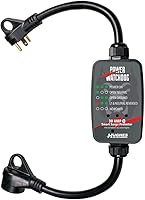
The Power Watchdog PWD30 is rated for 30 amp service. Its Bluetooth app can display power readings, while its LED diagnostics and wireless fault alerts can help you follow a warning.
The Progressive Industries EMS-PT50X is rated for 50 amp service and includes a display and LED indicators. Its listed fault detection includes over and under voltage, reverse polarity, and surge failure.
The Power Watchdog PWD50W is a 50 amp option with Wi-Fi and Bluetooth monitoring. Its app can show voltage, amperage, and wattage, and the unit provides wireless fault alerts.
Choose a model that matches your RV's service and the kind of monitoring you want. For a broader overview, read what an RV surge protector does.
When should you get professional help?
Get help if the protector keeps tripping, reports a wiring fault, or shows signs of heat or damage. Campground staff can address a pedestal concern, while a qualified RV technician can check your cord, RV inlet, and onboard electrical system.
Stop using the connection if the plug or cord is hot, damaged, wet, or sparking. Don't bypass the protector or open the pedestal to investigate.
What should you do if your RV surge protector keeps tripping?
If your RV surge protector keeps tripping, follow the fault alert, lower the electrical load, and leave the RV disconnected while unsafe power or damaged equipment remains a possibility. Ask campground staff to check the pedestal, and get a qualified technician if the fault follows your RV or keeps returning.
Choose a protector rated for your RV's 30 amp or 50 amp service, then use its indicators to guide troubleshooting. For help choosing a rating and protection level, see what RV surge protector you need.
Frequently asked questions
Why does my RV surge protector keep tripping?
It may be cutting power after detecting low or high voltage, a wiring fault, or a surge. Some shutdowns can also follow an overloaded circuit or a problem with the protector, cord, or RV.
Read the fault code or alert, reduce the electrical load, and keep the RV disconnected until the cause is clear.
Can I keep resetting my RV surge protector?
Don't keep resetting it without finding the cause. A repeat shutdown can point to unsafe pedestal power, a loose or damaged connection, an excessive load, or a failing protector.
Turn off major appliances, inspect accessible cords and plugs for heat or damage, and ask campground staff or a qualified RV technician to check the issue.
Can low voltage make an RV surge protector trip?
Yes, a protector with voltage monitoring may shut off power when voltage falls below its protection threshold. Heavy loads at the campground can contribute, but a poor connection or wiring issue may also be involved.
Check the displayed voltage and fault information, then turn off high-draw appliances and report a persistent problem.
Should I unplug an RV surge protector during a fault?
If it reports a wiring fault or unsafe power, switch off the RV's main breaker before disconnecting the cord, if you can do so safely. Don't touch hot, wet, damaged, or sparking equipment.
Ask campground staff or an electrician to inspect the pedestal, and follow the protector and RV manuals.