What Does Open Ground Mean on an RV Surge Protector?
Open ground on an RV surge protector means it cannot detect a proper path to ground at the power source. Disconnect from that pedestal and ask campground staff to check the outlet before you connect your RV.
On this page (7 sections)
- What does open ground mean on a surge protector?
- Why might an RV pedestal show open ground?
- What should you do when the protector displays open ground?
- Is it safe to use an RV with an open-ground warning?
- Can a surge protector fix an open ground?
- How can you reduce hookup problems at a campground?
- What does open ground mean on a surge protector: what should you do?
Open ground on an RV surge protector means the unit cannot detect a proper ground connection at the power source. Disconnect from the campground pedestal and ask staff to check the outlet before connecting your RV.
The warning can come from pedestal wiring, a damaged cord, or an adapter in the hookup. It does not by itself prove the surge protector has failed.
What does open ground mean on a surge protector?
An open ground means the ground path is missing or interrupted. The protector checks the incoming power before allowing you to connect, and it may block power when it detects this fault.
The ground wire gives fault current a path back to the source if an electrical fault occurs. Without that path, exposed metal parts could become energized, creating a shock risk.
An open-ground warning is different from a surge event. It points to a connection or wiring problem, not evidence that a voltage spike has already damaged equipment.
Why might an RV pedestal show open ground?
A campground pedestal may show open ground if its outlet or wiring has a broken, loose, or incorrectly connected ground. A faulty adapter, cord, or plug connection can also interrupt the path between the pedestal and your protector.
Disconnect the hookup before checking anything. Look for visible damage, bent pins, loose plugs, or signs of heat, but don't open the pedestal or attempt wiring repairs.
Tell campground staff which outlet and connection produced the warning. They can check the pedestal and direct you to another site connection if needed.
Can an adapter or extension cord cause the warning?
Yes, an adapter or cord can cause an open-ground reading if its ground connection is damaged or absent. Inspect the parts you own for damage and use only adapters suited to your RV connection.
Never remove a ground pin or use a workaround that hides the warning. If you're unsure whether a cord or adapter is safe, stop using it and ask a qualified person to inspect it.
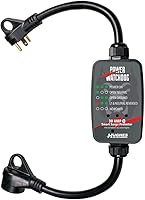
A portable protector can help identify problems before power reaches the RV. The Power Watchdog PWD30 offers LED park-power diagnostics and wireless fault alerts, alongside Bluetooth monitoring of voltage, amperage, and wattage.
What should you do when the protector displays open ground?
Leave the RV disconnected and ask campground staff to inspect the pedestal. Don't keep resetting the protector or plug the RV directly into an outlet that it has flagged.
- Switch off the RV's main breaker if the hookup instructions call for it.
- Disconnect the RV from the protector and the protector from the pedestal.
- Check your own cord and adapters for visible damage.
- Report the warning to campground staff and ask them to check the outlet.
- Use another connection only after it has been checked and the warning clears.
Follow the protector's manual for its own startup and reset steps. If the warning remains after campground staff check the source, don't connect the RV until the problem is found.
Is it safe to use an RV with an open-ground warning?
Treat an open-ground warning as a reason to stop before connecting. The missing ground path can reduce protection against an electrical fault and may put you at risk of shock.
A surge protector's warning is useful because it can identify a source problem before you rely on the outlet. For more on the role of these devices, read what an RV surge protector actually does.
Don't confuse an open ground with a neutral problem. The ground and neutral have different jobs, and a warning for either one deserves attention before you connect.
What if the warning appears at more than one pedestal?
If the same protector reports open ground at multiple outlets, check your cord and adapters and follow the manual. A damaged connection in your equipment can carry the fault from one hookup to another.
If campground staff confirm that the outlets are wired correctly and the warning persists, have the protector inspected or contact its maker. The guide to why an RV surge protector keeps tripping explains other faults that can stop power from passing through.
The Southwire Surge Guard 34930 continuously monitors voltage and amp draw, and its description includes protection against open ground and open neutral conditions.
Can a surge protector fix an open ground?
No, a protector can detect the fault, but it cannot repair campground wiring. The outlet, cord, adapter, or connection needs to be checked and corrected by someone qualified.
Don't use a cheater plug or modify wiring to bypass the warning. Those steps can remove the ground path the protector is checking for.
The Progressive Industries EMS-PT50X is a 50 Amp portable unit whose fault detection includes open ground and neutral, reverse polarity, and over- and under-voltage conditions. Choose a 50 Amp unit only for an RV hookup that matches that service.
How can you reduce hookup problems at a campground?
Check your cord, adapter, and pedestal before connecting the RV. Keep plugs clean and dry, avoid damaged equipment, and follow the hookup sequence in your RV and protector manuals.
Use a surge protector or EMS with diagnostics suited to your RV's service. The guide to choosing an RV surge protector explains the kinds of protection and monitoring to compare.
If you need to match a 50 Amp protector to a 30 Amp RV, first check the connection and adapter requirements in can you use a 50 Amp surge protector on a 30 Amp RV?. Don't assume an adapter resolves an electrical fault.
What does open ground mean on a surge protector: what should you do?
When an RV surge protector shows open ground, keep the RV disconnected and have the power source checked. If the warning follows your cord or protector to other outlets, stop using the suspect equipment and get it inspected.
Choose a protector that matches your RV's amperage and gives you the fault information you need. Then use its warning to pause and find the source of the problem before connecting.
Frequently asked questions
What does open ground mean on an RV surge protector?
It means the protector does not detect a proper ground connection at the power source. The fault may come from the campground pedestal, its wiring, or a connection between the source and your protector.
Disconnect from the pedestal and ask campground staff to inspect it before plugging in your RV.
Can I use my RV if the surge protector shows open ground?
Don't connect the RV while the open-ground warning remains. The ground wire provides a path for fault current, and a missing ground can leave a shock hazard.
Have campground staff check the outlet and use another approved site connection if they cannot correct the fault.
Can an adapter cause an open-ground warning?
Yes, a damaged or unsuitable adapter or cord can interrupt the ground path, though the pedestal may also be at fault. Disconnect power before inspecting connections, and don't remove or alter a ground pin to make the warning disappear.
Ask a qualified person to check uncertain wiring.
Does an open-ground warning mean the surge protector is bad?
Not by itself. The warning points to a missing ground connection at the source or along the hookup, so check the pedestal and cord path first.
If the warning appears at several known-good outlets, the protector may need inspection or replacement; follow its manual.